CPAP
A medical treatment that uses positive airway pressure to help maintain an open airway during sleep.
Dental sleep apnea care in Concord, NC
A dental approach to supporting healthier sleep.
Obstructive sleep apnea can repeatedly interrupt normal breathing during sleep and may have a significant effect on health and quality of life.
Diagnosis should come through an appropriate medical provider or sleep specialist. For appropriately diagnosed patients, however, dentistry may play an important role in treatment.
Dr. Clifford Compton provides custom oral appliance therapy for suitable sleep apnea patients in Concord.
Understanding the condition
Obstructive sleep apnea occurs when the airway becomes restricted or blocked during sleep.
This can repeatedly interrupt normal breathing and disturb sleep throughout the night.
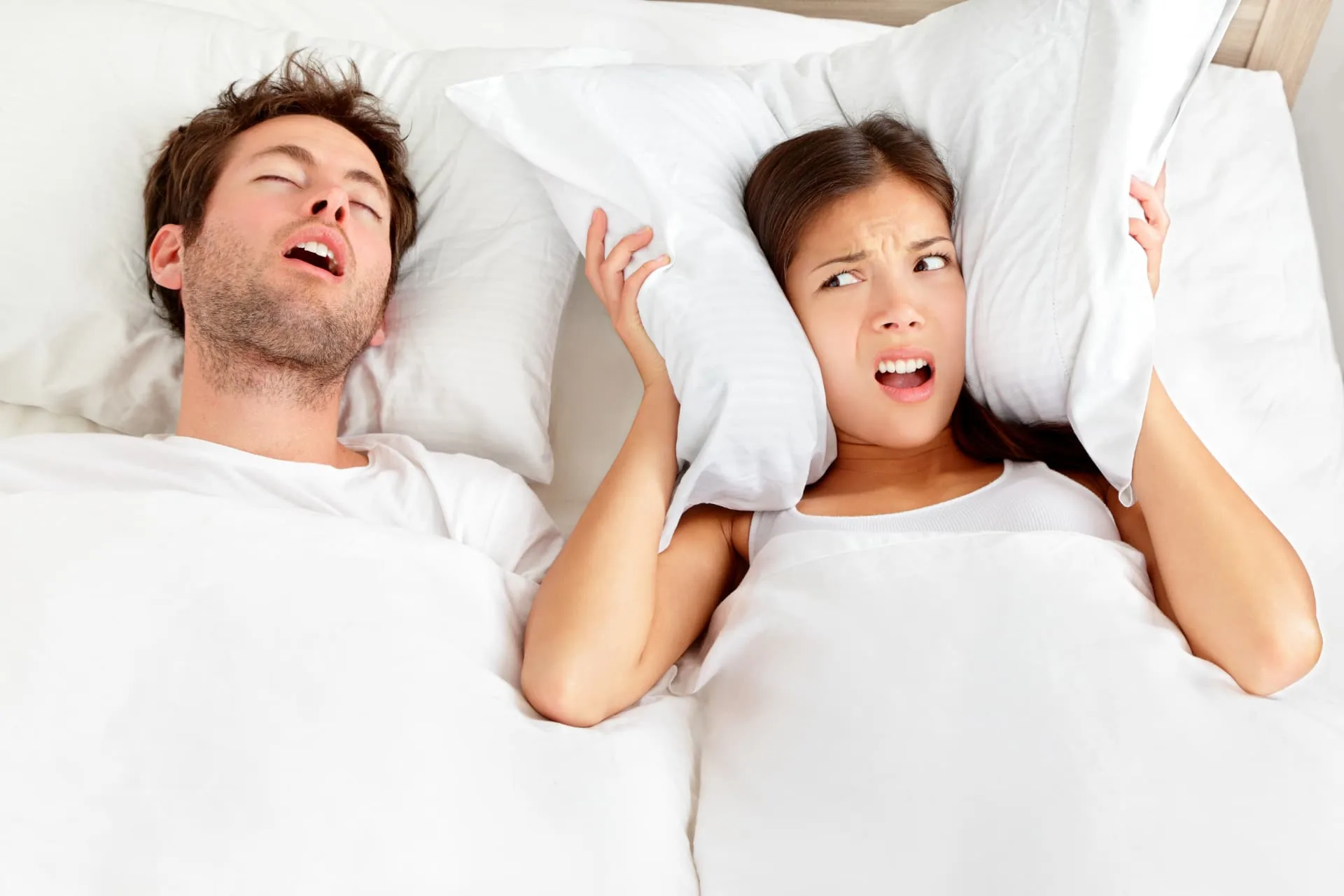
Snoring may be associated with airway obstruction, but snoring alone does not establish a diagnosis of sleep apnea.
If sleep apnea is suspected, proper medical assessment matters.
Diagnosis first
Sleep apnea is a medical condition.
A dentist should not diagnose obstructive sleep apnea based only on symptoms such as snoring or tiredness.
Appropriate diagnosis usually involves assessment through a medical provider, sleep physician or other qualified sleep professional, often with a sleep study.
Once a diagnosis has been made, Dr. Compton can discuss whether dental oral appliance therapy may be appropriate as part of the treatment pathway.
Diagnosis first. Dental treatment second.
Treatment options
CPAP is a widely used treatment for obstructive sleep apnea.
Some patients, however, may have difficulty using CPAP comfortably or consistently.
For appropriately selected patients, a custom mandibular advancement appliance may be considered. These dental appliances are designed to position the lower jaw in a way that may help support the airway during sleep.
A medical treatment that uses positive airway pressure to help maintain an open airway during sleep.
A custom dental device that may be suitable for selected diagnosed patients.
The right treatment depends on the individual diagnosis, severity and wider clinical circumstances.
How it works
A mandibular advancement appliance is a custom dental device worn during sleep.
It is designed to hold the lower jaw in a slightly forward position, which may help support the airway in appropriate patients.
The appliance is custom-made to fit the individual patient.
Depending on your diagnosis and treatment plan, the device may be adjusted over time to achieve an appropriate position.
SomnoDent
The practice currently provides the SomnoDent MAS mandibular advancement appliance for appropriate patients.
SomnoDent is a custom-made dental appliance designed to be worn during sleep.
It is intended for selected patients who have been appropriately diagnosed and assessed for oral appliance therapy.
Would I Do It On Me?
WIDIOM — “Would I Do It On Me?” — has guided the practice for decades.
The current practice information notes that Dr. Compton himself uses this type of oral appliance.
That gives him a practical understanding of what it is like to sleep with one and live with it as part of a nightly routine.
In this case, the answer is already yes.
Would I Do It On Me?
Could it be right for you?
Oral appliance therapy may be worth discussing if:
Individual suitability must be assessed.
The consultation
STEP 01
We begin by understanding your existing sleep apnea diagnosis and any recommendations already made by your medical or sleep provider.
STEP 02
Dr. Compton will assess your teeth, gums, jaw and other relevant dental factors to determine whether an oral appliance may be appropriate.
STEP 03
If oral appliance therapy is suitable, we can explain how the device works, what wearing it involves and what you can reasonably expect from the process.
STEP 04
Ongoing sleep apnea care should remain appropriately coordinated with your medical or sleep provider.
Dental appliance therapy works best as part of a properly managed treatment pathway.
Living with an oral appliance
A custom oral appliance is worn during sleep and should fit securely over the teeth.
Like any dental appliance, it may take time to become accustomed to wearing it.
Patients may need follow-up adjustments and monitoring to help maintain comfort and appropriate function.
The goal is not simply to provide a device. It is to make sure the treatment is appropriate, understood and properly managed.
Sleep apnea & snoring
No.
Snoring can occur for many reasons and does not automatically mean a person has obstructive sleep apnea.
Equally, sleep apnea can be present even when a person is unaware of significant symptoms.
That is why suspected sleep apnea should be medically assessed rather than self-diagnosed from snoring alone.
A dental appliance should not be used as a substitute for proper diagnosis.
Related care
Explore assessment and dental treatment for jaw pain, clenching, grinding and related concerns.
Learn moreMaintain healthy teeth, gums and restorations as part of your ongoing dental care.
Learn moreExplore the full range of care available at the Concord practice.
Learn moreCommon questions
No. Sleep apnea is a medical condition and should be diagnosed through an appropriate medical or sleep pathway. Once a diagnosis has been made, Dr. Compton can assess whether dental oral appliance therapy may be suitable.
No. CPAP and oral appliance therapy are different forms of treatment. The appropriate option depends on your diagnosis, clinical circumstances and the recommendations of your healthcare providers.
No. Suitability depends on factors including the diagnosis, severity of the condition, dental health and other individual considerations.
It is a custom dental appliance worn during sleep that is designed to position the lower jaw slightly forward to help support the airway in appropriate patients.
For some appropriately diagnosed patients who have difficulty with CPAP, oral appliance therapy may be considered. Suitability still requires proper medical and dental assessment.
Yes. The practice provides a custom mandibular advancement appliance designed specifically for the individual patient.
Snoring alone does not diagnose sleep apnea. If sleep apnea is suspected, appropriate medical assessment should come first before considering treatment.
Bring any relevant information about your sleep apnea diagnosis, sleep study or recommendations from your medical or sleep provider if available.
Ready to talk?
If you have been diagnosed with obstructive sleep apnea and would like to know whether dental oral appliance therapy may be appropriate for you, Dr. Compton can assess your dental suitability and explain the available options.