Tooth replacement in Concord, NC
Dental Implants in Concord, NC
Replace missing teeth with confidence.
Missing a tooth can affect far more than appearance. It can change how you bite, what you eat and how comfortable you feel when smiling or speaking.
Dental implants provide a stable foundation for replacing missing teeth and are designed to function much more like natural teeth than many removable alternatives.
Dr. Clifford Compton can assess your individual situation, explain your options and help determine whether dental implants are appropriate for you.
Understanding implants
What is a dental implant?
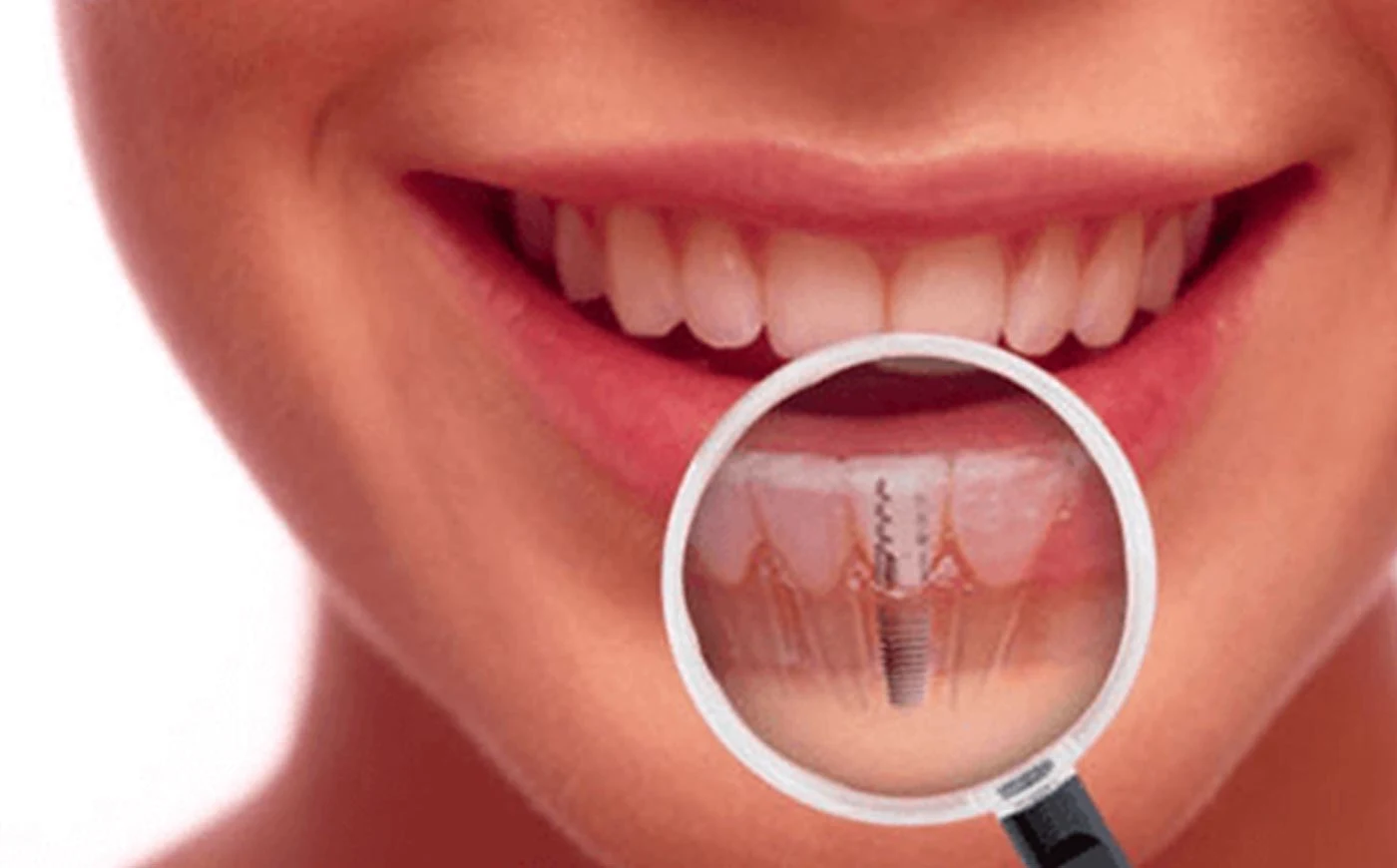
A dental implant is an artificial tooth-root replacement used to support a dental restoration.
Rather than simply sitting above the gum, an implant creates a stable foundation on which an appropriate replacement tooth or restoration can be supported.
Depending on your individual needs, implant dentistry may be considered when replacing:
- A single missing tooth
- Several missing teeth
- Teeth currently replaced by removable prosthetics
Your treatment recommendation will depend on your oral health, bone support, remaining teeth and wider clinical circumstances.
How it fits together
Implant
An artificial tooth-root replacement placed in the jaw.
Support structure
A connecting component that links the implant to the restoration.
Replacement tooth
The visible restoration, shaped to suit your smile.
Why patients consider implants
Why consider dental implants?
For suitable patients, dental implants can offer several practical and aesthetic advantages.
Stability
Because the restoration is supported by an implant rather than relying solely on removable support, it can provide greater confidence during everyday activities.
Natural appearance
Implant-supported restorations can be designed to complement the shape and appearance of your existing smile.
Everyday function
Replacing missing teeth can help restore normal biting and chewing function.
Confidence
A secure replacement can make eating, speaking and smiling feel more natural again.
Is it right for you?
Are dental implants right for me?
Not everyone is automatically a candidate for implant treatment.
Dr. Compton will assess factors such as:
- Your general oral health
- Gum health
- Existing teeth
- Bone availability
- Location of the missing tooth or teeth
- Your expectations
- Other appropriate tooth-replacement options
WIDIOM in practice
Would I Do It On Me?
The purpose of the consultation isn’t simply to sell an implant.
It’s to decide what we would choose if we were in your position.
That is WIDIOM in practice.
The consultation
What happens during an implant consultation?
- STEP 01
Understand the problem
We'll discuss the teeth you have lost, any problems you are experiencing and what you would like to achieve.
- STEP 02
Assess your oral health
Dr. Compton will examine the relevant area and assess whether implant treatment may be appropriate.
- STEP 03
Discuss the options
Dental implants are not the only way to replace missing teeth. Where appropriate, alternatives may include bridges or dentures.
- STEP 04
Build the right treatment plan
If implant treatment is suitable, the process, anticipated stages and restorative options can be discussed with you.
Understanding your options
Dental implants vs dentures
Dentures remain an appropriate solution for many patients.
Dental implants offer a different approach because they provide fixed support within the mouth rather than relying entirely on a removable appliance.
Which approach is right for you depends on your health, clinical circumstances, preferences and budget.
There isn’t one answer for everyone.
Dental Implants
Dentures
Support
Dental Implants:Support comes from within the jaw, beneath the restoration.
Dentures:Support comes from the gums and remaining teeth.
Removability
Dental Implants:The restoration is fixed in place.
Dentures:The appliance is removable for cleaning.
Suitability
Dental Implants:Depends on oral health, gum health and bone support.
Dentures:Can be appropriate in a wide range of situations.
Treatment complexity
Dental Implants:Involves a staged treatment process.
Dentures:Usually a less involved treatment process.
Maintenance
Dental Implants:Cleaned alongside your natural teeth, with ongoing dental review.
Dentures:Cleaned separately and reviewed for fit over time.

Experience matters
Nearly 40 years of dental experience
There is an important difference between choosing a procedure and choosing the right procedure.
Dr. Compton’s approach has always focused on thoughtful diagnosis and sensible treatment planning rather than treating dentistry as a list of products.
Would I Do It On Me?
That question sits behind every recommendation.
Related restorative care
Other ways we may help replace or restore teeth
Dental implants are one option within a broader restorative treatment plan. Depending on your needs, Dr. Compton may also discuss:
Dental Crowns
Used to restore teeth that require greater structural support.
Dental Bridges
A fixed restorative option for replacing selected missing teeth.
Dentures
A removable solution for replacing multiple missing teeth.
Family & Restorative Dentistry
Ongoing care for maintaining existing teeth and restorations.
Family DentistryCommon questions
Dental Implant FAQs
01Are dental implants permanent?
Implants are intended as a long-term tooth-replacement solution, but their longevity depends on numerous factors including oral hygiene, health, bone and gum support and ongoing dental care.
02Can one missing tooth be replaced with an implant?
An implant may be considered for a single missing tooth where the clinical conditions are appropriate.
03Are implants better than dentures?
Neither option is universally “better.” They solve the problem in different ways. A consultation allows us to determine which options are appropriate for your situation.
04How do I know if I have enough bone for an implant?
This requires clinical assessment. Dr. Compton will evaluate the area and explain whether additional investigation is required.
05How long does dental implant treatment take?
Treatment time varies considerably depending on the number of implants, healing, restorative needs and other individual factors. Dr. Compton can explain the likely stages after assessing your situation.
06Does getting a dental implant hurt?
Comfort and recovery vary from person to person and depend on the procedure required. The treatment process and what you can reasonably expect will be discussed with you before proceeding.
07Can dental implants replace several teeth?
Implant treatment may be used in a variety of situations involving one or more missing teeth. The most appropriate approach depends on your individual oral health and restorative needs.
08What should I do next?
Request an implant consultation so Dr. Compton can assess your individual circumstances and discuss the available tooth-replacement options.
What to expect
A thoughtful approach from the first conversation
Choosing how to replace a missing tooth can feel like a significant decision.
Our role is to make that decision easier to understand.
You will have the opportunity to discuss:
- what is happening now
- the options available
- potential advantages and limitations
- whether implant treatment is appropriate
- alternative approaches
- the next steps if you decide to proceed
Clear information first.
Treatment second.
Ready to talk?
Restore more than the missing tooth.
If you are considering dental implants, the first step is simply finding out whether they are appropriate for you.
Dr. Compton can assess your oral health, explain the available options and help you make an informed decision.